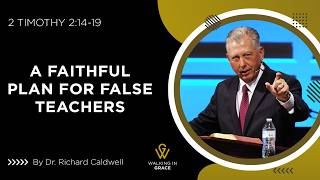
Christ, The Word of God, & True Righteousness Part 1 | Matthew 5:17-20
- Preacher
- Richard Caldwell
- Tradition
- Christian (Unspecified)
- Published
- Length
- 1:08:18
Scripture
About this sermon
Introduction: Verse 17 marks a transition in the “sermon on the mount.” What we’ve seen so far amounts to an introduction. Jesus now moves into the body of the sermon. When you look at this sermon in its entirety, four realities about the kingdom of heaven are expressed. THE PEOPLE OF HIS KINGDOM (the beatitudes) THE INFLUENCE OF THAT PEOPLE (salt and light) THE STANDARDS FOR THAT PEOPLE (the rest of the sermon) THE DESTINATION FOR THAT PEOPLE (both at the beginning and the end of the sermon) As this sermon progresses, 5 things are clarified. • Christ’s main theme is clarified. From this point to the end of the sermon Jesus’ main theme is true righteousness. He clarifies what true righteousness is AND He contrasts it with a superficial and DEADLY kind of righteousness. Righteousness is man’s greatest need, to stand before God accepted, to be right with God — which is why the climax of the beatitudes is a hungering and thirsting for righteousness (vs.6). That hunger and thirst is FIRST for the righteousness of God that is received as a gift — justification (vs.6). But that hungering and thirsting never ends. The one who has been justified, is now being sanctified. There is the righteousness of God formed in the believer — progressive sanctification (vs.10,16). The rest of this sermon focuses on the righteousness practiced by the believer. But it is not a righteousness divorced from justification. The righteousness that one practices testifies to whether someone has truly been justified by God. It is not the grounds for justification before God, but it IS evidence that one has been justified by God. People are not justified before God based on their works. But those who have been justified by faith now walk in the good works that were predestined for them (Ephesians 2:10). The question the sermon addresses is “What is the nature of those good works?” What kind of righteousness characterizes those, is pursued by those, and formed in those, who have been justified? This is where the beatitudes ended. “Blessed are those who are persecuted for RIGHTEOUSNESS sake (vs.10).” This is where the influence of the believer exists, “so that they may see your good works and give glory to your Father who is in heaven” (vs.16). • Christ’s relationship to Scripture is clarified. IS THE RIGHTEOUSNESS JESUS TALKS ABOUT something new, something different than what God made known in the Old Testament Scriptures? Is Christ teaching something in conflict with the righteousness defined, described, demanded, by the law and the prophets? He will answer that immediately as He enters the body of the sermon. The answer to that question clarifies every statement that Jesus will make, and indeed, how one understands Jesus Himself. • Christ’s relationship to apostate Judaism is clarified. Is this righteousness that Jesus talks about different from what the people were familiar with? Is this righteousness that Jesus talks about what characterized the popular religion of the day? Is this righteousness what the scribes and Pharisees were teaching about and practicing? What Christ makes clear is that he is indeed setting Himself in opposition to something. His coming DOES represent a contrast. It is a contrast between (a) what God gave them and (b) what had been done done with what God gave them. It is a contrast between what they had HEARD and SEEN from their spiritual leaders versus what God intended, and what God produces, and will accept. IT IS A CONTRAST IN BOTH TEACHING AND PRACTICE. Jesus will make clear that God’s righteousness was being distorted on both fronts. The teaching that they were familiar with was a distortion of righteousness, and the models that they were familiar were distorters of righteousness. • Christ’s relationship to eternal life is clarified. The question that is addressed from beginning to end in this sermon is whether someone will enter the kingdom of heaven.
Topics
Preaching Matthew 5:17–20? Build your own sermon on this passage with SermonAI.
Try SermonAI free for 7 days